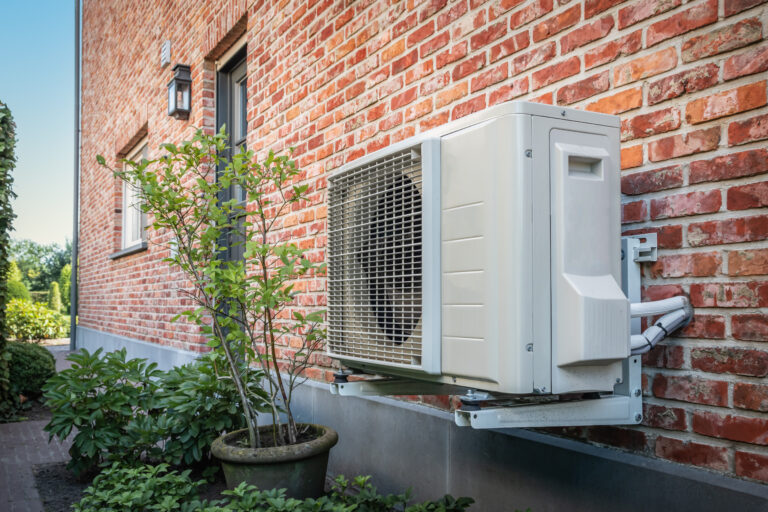

Heat Pumps in Broomfield, CO
Heat pump technology has revolutionized the way homeowners in Broomfield approach their heating and cooling needs, offering an energy-efficient alternative to traditional HVAC systems. At All Climate Systems Heating and Cooling, we specialize in providing comprehensive heat pump solutions that perfectly match Colorado’s unique climate challenges. Our extensive experience installing and maintaining these versatile systems throughout Broomfield has shown us firsthand how dramatically they can reduce energy costs while maintaining superior comfort levels year-round.
The technology behind heat pumps represents a significant advancement in residential climate control, using refrigerant cycles to transfer heat rather than generating it through combustion or electrical resistance. This fundamental difference allows heat pumps to achieve efficiency ratings of 300-400%, meaning they produce three to four units of heating or cooling energy for every unit of electricity consumed. In Broomfield’s climate, where temperatures can swing from below freezing in winter to over 90 degrees in summer, this efficiency translates directly into substantial savings on utility bills.
Understanding Heat Pump Operation in Colorado’s Climate
Heat pumps operate on a simple yet ingenious principle that moves thermal energy from one location to another using refrigerant and a reversing valve system. During winter months in Broomfield, the system extracts heat from outdoor air—even when temperatures drop below freezing—and transfers it inside your home. The process reverses during summer, removing heat from your indoor spaces and releasing it outside. Modern heat pump systems incorporate variable-speed compressors and advanced defrost cycles that maintain efficiency even during Colorado’s coldest winter days.
Our technicians at All Climate Systems Heating and Cooling have installed hundreds of heat pump systems across Broomfield and understand the specific challenges posed by our elevation and climate patterns. The thin air at Colorado’s altitude affects heat transfer rates differently than at sea level, requiring precise calculations and adjustments during installation. We account for factors like solar gain on south-facing walls, prevailing wind patterns from the mountains, and the dramatic temperature swings that can occur within a single day. This localized expertise, developed through our 19+ years serving Colorado communities, ensures optimal system performance regardless of weather conditions.
Types of Heat Pump Systems Available
The heat pump market offers several distinct technologies, each suited to different home configurations and heating requirements. Air-source heat pumps, the most common variety in Broomfield residential applications, extract heat from outdoor air and have seen dramatic improvements in cold-weather performance over recent years. These systems now function efficiently at temperatures as low as negative five degrees Fahrenheit, making them viable for Colorado winters. Split-system configurations allow for flexible installation options, with indoor air handlers positioned in basements, attics, or utility closets while outdoor units occupy minimal yard space.
Ground-source or geothermal heat pumps represent the pinnacle of efficiency, utilizing stable underground temperatures to achieve coefficient of performance ratings exceeding 5.0. While initial installation costs run higher due to ground loop excavation requirements, these systems offer unmatched long-term savings and can last over 25 years with minimal maintenance. Ductless mini-split heat pumps provide targeted comfort control for specific rooms or additions, eliminating the need for extensive ductwork modifications. These systems prove particularly valuable in older Broomfield homes where traditional duct installation would require significant structural changes.
Installation Considerations and Best Practices
Proper heat pump installation demands careful attention to multiple technical factors that directly impact system performance and longevity. Load calculations must account for your home’s insulation levels, window efficiency, air infiltration rates, and occupancy patterns to determine appropriate equipment sizing. Oversized systems cycle frequently, reducing efficiency and comfort while increasing wear on components. Undersized units struggle to maintain desired temperatures during extreme weather events, leading to excessive runtime and premature failure.
Quality is our number one priority as we strive to do the best job we can for our customers, which means we never cut corners during installation. Refrigerant line sets require proper insulation and support to prevent thermal losses and vibration damage. Electrical connections must accommodate the system’s amperage requirements with appropriate circuit protection. Condensate drainage systems need proper pitch and trap configuration to prevent water damage and microbial growth. Our family owned HVAC business located in Thornton, Colorado, maintains strict installation standards that exceed manufacturer specifications, ensuring your heat pump delivers promised efficiency levels throughout its operational life.
Maintenance Requirements for Optimal Performance
Heat pumps require regular maintenance to maintain peak efficiency and prevent costly breakdowns. Filter replacement represents the most critical homeowner responsibility, with most systems requiring monthly inspection during heavy use periods. Clogged filters restrict airflow, forcing the system to work harder while reducing heat transfer efficiency. Outdoor coils accumulate debris like cottonwood seeds, grass clippings, and leaves that impede heat exchange. Annual professional cleaning removes this buildup and allows technicians to inspect refrigerant levels, electrical connections, and mechanical components.
Benefits of Heat Pump Systems
- Energy efficiency: Heat pumps typically reduce heating costs by 30-50% compared to electric resistance heating and can lower cooling expenses versus older air conditioning units
- Environmental impact: By moving heat rather than generating it through combustion, heat pumps eliminate direct carbon emissions and reduce overall energy consumption
- Year-round comfort: Single system provides both heating and cooling, eliminating the need for separate furnace and air conditioner maintenance
- Improved air quality: Continuous air circulation through high-efficiency filters removes allergens, dust, and other airborne contaminants
- Quiet operation: Modern variable-speed compressors and improved fan designs produce significantly less noise than traditional HVAC equipment
Recent technological advances have addressed historical limitations of heat pump systems in cold climates. Inverter-driven compressors adjust output continuously to match heating demands, eliminating the temperature swings associated with single-stage equipment. Enhanced vapor injection technology maintains heating capacity at lower outdoor temperatures, while intelligent defrost controls minimize efficiency losses during ice removal cycles. These improvements make heat pumps increasingly attractive for Broomfield homeowners seeking reliable, cost-effective climate control solutions that align with Colorado’s growing emphasis on sustainable energy practices.