
AC Installation Broomfield, CO
When the Colorado summer heat arrives in Broomfield, having a reliable air conditioning system becomes essential for maintaining comfort in your home. At All Climate Systems Heating and Cooling, we understand that selecting and installing the right cooling system requires careful consideration of numerous factors unique to our region’s climate patterns and your specific household needs. Our family-owned HVAC business has been serving Colorado communities for over 19 years, bringing extensive experience in residential cooling solutions to every installation project we undertake.
The Broomfield area experiences significant temperature variations throughout the year, with summer temperatures regularly climbing into the 90s while winter months bring freezing conditions. This dramatic range means your cooling system needs to be properly sized and installed to handle extreme heat while integrating seamlessly with your home’s heating components. Our installation process begins with a comprehensive evaluation of your property, examining factors such as square footage, insulation quality, window placement, and existing ductwork configuration to determine the optimal cooling solution for your specific situation.
Understanding Your AC Installation Options
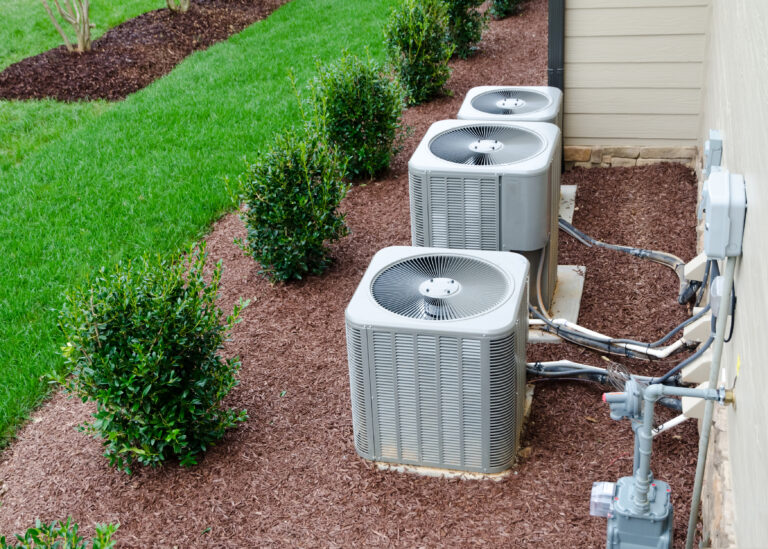
Modern air conditioning technology offers homeowners in Broomfield several distinct system types, each with unique advantages depending on your home’s layout and cooling requirements. Central air conditioning systems remain the most popular choice for whole-home cooling, utilizing existing ductwork to distribute conditioned air throughout every room. These systems typically consist of an outdoor condensing unit containing the compressor and condenser coil, paired with an indoor evaporator coil installed within your furnace or air handler. The refrigerant cycles between these components, absorbing heat from inside your home and releasing it outdoors.
For homes without existing ductwork or those seeking zone-based temperature control, ductless mini-split systems provide an excellent alternative. These systems connect individual indoor air handlers to an outdoor unit through small refrigerant lines, eliminating the need for extensive ductwork installation. Each indoor unit operates independently, allowing different family members to customize temperature settings in their preferred living spaces while reducing energy consumption in unused areas. Heat pump systems represent another innovative option, providing both heating and cooling capabilities through a single unit that reverses its refrigeration cycle seasonally.
The Technical Aspects of Professional Installation
Proper air conditioning installation involves far more than simply connecting equipment components. Our technicians begin by calculating your home’s cooling load using industry-standard Manual J calculations, which consider factors including local climate data, home orientation, insulation levels, and occupancy patterns. This detailed analysis ensures we recommend appropriately sized equipment that operates efficiently without short-cycling or struggling to maintain desired temperatures. Oversized units waste energy and create uncomfortable humidity levels, while undersized systems run continuously without adequately cooling your space.
Refrigerant line installation requires precise attention to detail, as improper routing or inadequate insulation can significantly impact system efficiency and longevity. We carefully plan refrigerant line paths to minimize exposure to environmental elements while maintaining proper slope for oil return to the compressor. All connections undergo thorough leak testing using electronic detection equipment before charging the system with the manufacturer’s specified refrigerant amount. Electrical connections must meet strict safety codes, with dedicated circuits installed to handle the system’s power requirements and proper grounding to protect against electrical hazards.
Energy Efficiency Considerations for Broomfield Homes
Colorado’s energy costs and environmental consciousness make efficiency a primary concern for homeowners investing in new cooling systems. Modern air conditioners carry SEER2 ratings indicating their seasonal energy efficiency ratio, with higher numbers representing greater efficiency. While federal regulations currently require minimum SEER2 ratings of 14 for our region, we often recommend systems rated 16 SEER2 or higher to maximize long-term energy savings. These high-efficiency units incorporate advanced features such as variable-speed compressors, enhanced coil designs, and sophisticated control systems that adapt operation to match cooling demands precisely.
Quality installation practices directly impact your system’s ability to achieve its rated efficiency levels. Proper ductwork sealing prevents cooled air from escaping into unconditioned spaces, while correct refrigerant charging ensures optimal heat transfer performance. We perform detailed airflow measurements to verify that each room receives adequate cooling without creating pressure imbalances that force your system to work harder than necessary. Additionally, we evaluate opportunities for improving your home’s overall efficiency through enhanced insulation, air sealing, or strategic window treatments that reduce solar heat gain.
Installation Process and Timeline
Our comprehensive installation process typically spans one to two days, depending on system complexity and any necessary modifications to existing infrastructure. We begin by protecting your home’s interior with drop cloths and floor coverings before removing any existing equipment. Old refrigerant requires proper recovery and recycling according to EPA regulations, which we handle through certified recovery equipment and licensed disposal facilities.
- Site preparation: clearing installation areas, verifying electrical capacity, and confirming equipment placement locations
- Equipment positioning: setting outdoor units on properly leveled pads with adequate clearance for airflow and service access
- System connections: installing refrigerant lines, electrical wiring, condensate drains, and control wiring between components
- Testing and commissioning: verifying proper operation, adjusting airflow, and calibrating thermostat settings
Following physical installation, we conduct extensive performance testing to ensure your new system operates at peak efficiency. This includes measuring temperature differentials across the evaporator coil, checking static pressure within the duct system, and verifying proper refrigerant superheat and subcooling values. We program your thermostat for optimal comfort and efficiency, explaining all features and operation modes to ensure you can fully utilize your system’s capabilities.
Long-Term Performance and Maintenance Requirements
Professional installation by All Climate Systems Heating and Cooling establishes the foundation for years of reliable cooling performance, but ongoing maintenance remains crucial for preserving system efficiency and preventing premature component failure. We educate homeowners about basic maintenance tasks such as regular filter replacement, keeping outdoor units clear of debris, and monitoring system operation for unusual sounds or performance changes. Annual professional maintenance visits allow our technicians to perform detailed inspections, clean critical components, and address minor issues before they develop into costly repairs.
Broomfield’s occasional hailstorms and winter snow accumulation require special consideration for protecting outdoor AC units. We position equipment strategically to minimize exposure while maintaining necessary airflow, and can install protective hail guards in particularly vulnerable locations. Proper winterization procedures, including covering the unit and ensuring adequate drainage, prevent damage during months when the system remains idle. By following recommended maintenance schedules and responding promptly to any performance concerns, your professionally installed air conditioning system should provide reliable cooling for fifteen to twenty years, making it a valuable long-term investment in your home’s comfort and value.