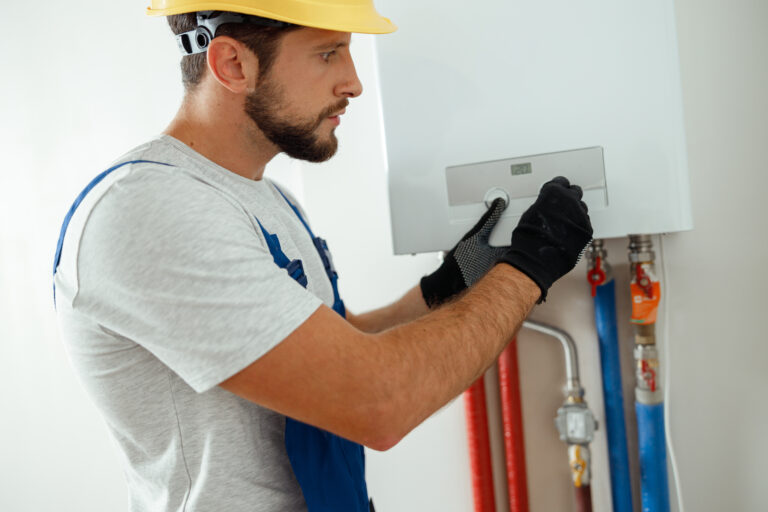

Heating Installation Thornton, CO
When winter temperatures plummet across the Front Range, your heating system becomes the heart of your home’s comfort. At All Climate Systems Heating and Cooling, we understand that installing a new heating system represents a significant investment in your property and your family’s wellbeing. Our experienced technicians bring nearly two decades of Colorado heating expertise to every installation project, ensuring your new system operates efficiently throughout our demanding winter months.
As a family owned HVAC business located in Thornton, Colorado, we’ve witnessed firsthand how proper heating installation impacts both immediate comfort and long-term energy costs. The difference between a professionally installed system and a rushed job can mean thousands of dollars in unnecessary expenses over your equipment’s lifetime. We’ve been doing business in Colorado for 19+ years, and during that time, we’ve refined our installation processes to deliver exceptional results that stand the test of time.
Understanding Your Heating Options
Modern heating technology offers homeowners in Thornton numerous choices, each with distinct advantages depending on your specific needs and home configuration. Gas furnaces remain the most popular choice throughout Colorado, delivering reliable heat even during extreme cold snaps. These systems typically achieve efficiency ratings between 80% and 98% AFUE (Annual Fuel Utilization Efficiency), meaning that up to 98 cents of every dollar spent on natural gas converts directly into heat for your home.
Heat pumps represent another increasingly popular option, particularly for homes seeking year-round climate control from a single system. These units extract heat from outdoor air even in cold conditions, though supplemental heating elements may activate during particularly frigid periods. Electric furnaces provide an alternative for homes without natural gas connections, offering 100% efficiency at the point of use, though operational costs typically exceed gas-powered alternatives due to electricity pricing structures in our region.
The Installation Process
Professional heating installation begins long before any equipment arrives at your property. Our technicians conduct comprehensive load calculations to determine the precise heating capacity your home requires. This analysis considers factors including square footage, insulation levels, window efficiency, ceiling heights, and typical occupancy patterns. Oversized equipment cycles frequently, creating temperature swings and excessive wear, while undersized systems struggle to maintain comfort during cold weather extremes.
Once we’ve determined appropriate equipment specifications, our installation team prepares your home for the new system. This preparation includes protecting flooring and walls, establishing proper ventilation pathways, and ensuring electrical systems can support new equipment demands. We carefully remove existing equipment when necessary, properly disposing of old units according to environmental regulations and recovering any refrigerants for responsible recycling.
The physical installation requires meticulous attention to manufacturer specifications and local building codes. Proper ductwork connections prevent air leakage that would otherwise waste energy and compromise indoor air quality. Gas line connections demand absolute precision to ensure safe operation, while electrical wiring must accommodate both standard operation and peak demand scenarios. Quality is our number one priority as we strive to do the best job we can for our customers, which means never cutting corners during these critical installation phases.
Sizing and Efficiency Considerations
Determining correct heating system size involves more than simple square footage calculations. Colorado’s elevation affects heating requirements, as thinner air at altitude impacts both combustion efficiency and heat transfer rates. North-facing rooms typically require additional heating capacity compared to spaces receiving direct southern exposure. Homes with vaulted ceilings, large windows, or minimal insulation need larger systems than well-sealed properties of similar size.
Energy efficiency ratings significantly impact both environmental footprint and operational costs. High-efficiency furnaces featuring variable-speed blowers and modulating gas valves adjust output based on actual heating demands, maintaining more consistent temperatures while consuming less fuel. These advanced systems often qualify for utility rebates and tax incentives, offsetting higher initial purchase prices through reduced monthly expenses and available financial incentives.
Integration with Existing Systems
Successful heating installation requires seamless integration with your home’s existing infrastructure. Ductwork evaluation reveals whether current air distribution systems can effectively handle new equipment airflow requirements. Older ductwork often contains gaps, poor insulation, or design flaws that compromise even the most efficient heating equipment. We assess these systems thoroughly, recommending modifications or repairs that optimize performance.
Thermostat compatibility represents another crucial consideration. Modern heating systems often feature sophisticated control capabilities that older thermostats cannot access. Smart thermostats learn occupancy patterns, adjust temperatures automatically, and provide remote access through smartphone applications. These advanced controls can reduce heating costs by 10-23% according to EPA estimates, making thermostat upgrades worthwhile investments during heating system installation.
Local Climate Factors
Thornton’s climate presents unique challenges for heating system selection and installation. Our area experiences approximately 5,400 heating degree days annually, indicating substantial heating demands throughout winter months. Temperature swings of 40 degrees or more within single days stress heating equipment, making proper installation even more critical for long-term reliability.
- Altitude considerations: Equipment must be properly adjusted for operation at 5,384 feet elevation
- Freeze protection: Condensate lines require special routing to prevent ice blockages
- Ventilation requirements: Proper combustion air supply ensures safe, efficient operation
- Snow load planning: External components need protection from heavy snow accumulation
- Wind resistance: Outdoor units require secure mounting to withstand strong winds
Post-Installation Support
Professional heating installation extends beyond equipment placement and initial startup. Our technicians perform comprehensive system commissioning, verifying all components operate within manufacturer specifications. We measure gas pressure, check electrical connections, verify proper airflow, and confirm safety controls function correctly. This thorough testing ensures your new heating system delivers promised efficiency and reliability from day one.
We provide detailed operational training, explaining thermostat features, filter replacement schedules, and basic troubleshooting procedures. Understanding your heating system empowers you to maximize comfort while minimizing operational costs. We also establish maintenance schedules that preserve warranty coverage and extend equipment lifespan through regular professional service.
Your new heating system represents a substantial investment deserving professional installation that maximizes performance, efficiency, and longevity. At All Climate Systems Heating and Cooling, our commitment to quality installation practices ensures your family enjoys reliable comfort throughout Colorado’s challenging winters while managing energy costs effectively.