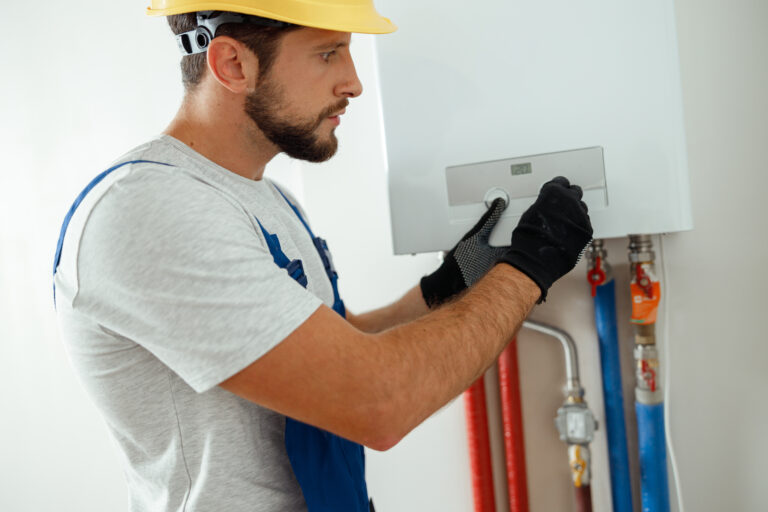

Heating Installation Northglenn, CO
When winter temperatures drop and frost patterns form on windows across Northglenn, having a reliable heating system becomes essential for maintaining comfort and safety in your home. At All Climate Systems Heating and Cooling, we understand that selecting and installing the right heating system requires careful consideration of your home’s specific needs, energy efficiency goals, and budget constraints. Our family owned HVAC business has been serving families throughout Colorado for over 19 years, bringing expertise and dedication to every heating installation project we undertake.
The process of heating installation involves much more than simply placing a new furnace in your basement or mechanical room. We begin each project with a comprehensive evaluation of your home’s heating requirements, taking into account factors such as square footage, ceiling heights, insulation quality, window placement, and existing ductwork configuration. This detailed assessment ensures that your new heating system will deliver optimal performance while maximizing energy efficiency throughout the coldest months of the year.
Understanding Your Heating Options
Modern heating technology offers several distinct options for homeowners in Northglenn, each with unique advantages and operational characteristics. Gas furnaces remain the most popular choice in our region, utilizing natural gas combustion to generate heat that circulates through your home via ductwork. These systems typically achieve efficiency ratings between 80 and 98 percent AFUE (Annual Fuel Utilization Efficiency), with high-efficiency models featuring sealed combustion chambers and variable-speed blowers that adjust output based on heating demands.
Electric heat pumps represent another increasingly popular option, particularly for homes seeking dual heating and cooling capabilities from a single system. These units transfer heat from outdoor air into your home during winter months, operating on electricity rather than fossil fuels. While heat pumps generally cost more to operate than gas furnaces in extremely cold conditions, modern cold-climate models can maintain efficiency even when outdoor temperatures drop below zero degrees Fahrenheit. Additionally, some homeowners choose electric resistance heating systems, which convert electricity directly into heat through heating elements, though these typically result in higher operating costs compared to other options.
The Installation Process from Start to Finish
Quality is our number one priority as we strive to do the best job we can for our customers, which means following a methodical installation process that ensures long-term reliability and performance. The installation begins with protecting your home’s interior by laying down drop cloths and establishing clear pathways for equipment movement. We carefully remove your existing heating system, properly disposing of old equipment according to environmental regulations and recovering any refrigerants if applicable.
Next, we prepare the installation area by inspecting and modifying existing connections as needed, including gas lines, electrical circuits, and ventilation systems. The new heating unit requires precise positioning to ensure proper airflow and accessibility for future maintenance. We install new mounting brackets, vibration dampeners, and support structures designed to minimize operational noise and extend equipment lifespan. Connection of gas lines demands particular attention to safety protocols, including pressure testing and leak detection procedures that exceed local building code requirements. Electrical connections must accommodate the specific voltage and amperage requirements of your new system, often necessitating circuit upgrades or dedicated breaker installation.
Ductwork Modifications and Airflow Optimization
Existing ductwork often requires modifications to accommodate new heating equipment and optimize airflow distribution throughout your home. We evaluate duct sizing, identifying restrictions or undersized sections that could impede system performance. Common modifications include installing transition pieces to connect new equipment to existing ductwork, adding dampers for zone control capabilities, and sealing joints with mastic or metal-backed tape to eliminate air leakage that reduces efficiency.
Proper return air sizing proves critical for system performance, as inadequate return airflow forces your heating system to work harder while delivering less comfort. We calculate required return air capacity based on your new system’s specifications and may recommend adding return air grilles or enlarging existing openings. Supply registers throughout your home receive inspection and adjustment to ensure balanced airflow that eliminates cold spots and maintains consistent temperatures across all living spaces.
Essential Components of Modern Heating Systems
Contemporary heating installations incorporate several advanced components that enhance efficiency, comfort, and system longevity. Variable-speed blower motors adjust fan speed incrementally based on heating demands, providing quieter operation and more consistent temperatures while reducing energy consumption. Two-stage or modulating gas valves allow furnaces to operate at reduced capacity during mild weather, improving efficiency and comfort compared to single-stage systems that only run at full capacity.
- Smart thermostats learn your schedule and preferences, automatically adjusting temperatures to save energy when you’re away while ensuring comfort upon your return
- Whole-house humidifiers integrate with your heating system to maintain optimal indoor humidity levels during dry winter months, improving comfort and reducing static electricity
- Air filtration systems remove particulates, allergens, and contaminants from circulated air, improving indoor air quality for your family’s health
Energy Efficiency Considerations and Cost Savings
Selecting an appropriately sized and efficient heating system significantly impacts both comfort levels and operating costs throughout your system’s lifespan. Oversized systems cycle on and off frequently, creating temperature swings while consuming excess energy and experiencing premature wear. Undersized systems run continuously without adequately heating your home, resulting in discomfort and elevated utility bills. We perform detailed load calculations considering your home’s insulation levels, air infiltration rates, and thermal characteristics to determine optimal equipment sizing.
High-efficiency heating systems incorporate features like sealed combustion chambers that draw outdoor air for combustion rather than using heated indoor air, reducing drafts and improving safety. Condensing furnaces extract additional heat from exhaust gases by cooling them until water vapor condenses, achieving efficiency ratings above 90 percent. While high-efficiency systems require greater initial investment, energy savings typically offset the additional cost within several years, particularly given rising energy prices and available utility rebates.
Post-Installation Testing and Customer Education
Following equipment installation and connection, we conduct comprehensive testing to verify proper operation and safety. This includes checking gas pressure at multiple points, verifying proper combustion and venting, measuring temperature rise across the heat exchanger, and confirming adequate airflow throughout your duct system. Carbon monoxide detectors receive testing to ensure they respond appropriately to potential hazards. We also verify thermostat programming and calibration, ensuring accurate temperature control and efficient system cycling.
Located in Thornton, Colorado, All Climate Systems Heating and Cooling takes pride in educating our customers about their new heating systems. We demonstrate proper thermostat operation, explain maintenance requirements including filter replacement schedules, and identify warning signs that indicate potential problems requiring professional attention. Understanding your system’s operation empowers you to maximize comfort while minimizing operating costs throughout its service life. We provide detailed documentation including warranty information, maintenance schedules, and contact information for future service needs, ensuring you have resources readily available when questions arise about your heating system’s operation or performance.