AC Installation Services in Arvada, CO
When summer temperatures in Arvada begin climbing toward the nineties and beyond, having a reliable air conditioning system becomes essential for maintaining comfort in your home. At All Climate Systems Heating and Cooling, we understand that selecting and installing the right cooling system requires careful consideration of numerous factors unique to Colorado’s climate and your specific property. Our family-owned HVAC business has been serving the Denver metro area from our Thornton location for over nineteen years, bringing expertise and dedication to every installation project we undertake.
The process of installing a new air conditioning system involves much more than simply placing equipment and connecting refrigerant lines. Each home in Arvada presents unique challenges and opportunities, from historic bungalows near Olde Town to modern constructions in the newer subdivisions spreading across the northwestern areas of the city. We approach every installation with a comprehensive assessment that considers your home’s square footage, insulation quality, window placement, existing ductwork condition, and your family’s specific comfort preferences.
Understanding Your Cooling Load Requirements
Determining the appropriate size and capacity for your new air conditioning system requires performing detailed load calculations that account for multiple variables affecting your home’s cooling needs. These calculations examine factors including your home’s orientation relative to the sun, the amount of shade provided by trees or neighboring structures, ceiling heights, and the thermal properties of your building materials. In Arvada’s climate, where we experience significant temperature swings between day and night, proper sizing becomes particularly critical for achieving optimal efficiency and comfort.
Many homeowners assume that bigger always means better when it comes to air conditioning capacity, but oversizing can lead to short cycling, inadequate dehumidification, and increased wear on system components. Conversely, an undersized system will struggle to maintain comfortable temperatures during peak summer conditions, running continuously and driving up energy costs while failing to meet cooling demands. Our technicians use industry-standard Manual J calculations combined with their extensive experience in Colorado installations to determine the precise capacity requirements for your specific situation.
Modern AC System Technologies and Options
Today’s air conditioning systems offer remarkable improvements in efficiency, comfort control, and operational flexibility compared to units manufactured even a decade ago. Variable-speed compressors adjust their output to match current cooling demands, providing more consistent temperatures while consuming less energy than traditional single-stage units. These advanced systems can operate at lower capacities during mild conditions, reducing the frequency of on-off cycles and maintaining steadier humidity levels throughout your home.
Two-stage cooling systems represent another popular option for Arvada homeowners, offering a middle ground between single-stage simplicity and variable-speed sophistication. These units operate at a lower capacity approximately eighty percent of the time, switching to full capacity only during extreme temperature conditions. This dual-stage operation provides enhanced dehumidification, quieter operation, and improved energy efficiency while maintaining a more accessible price point than fully modulating systems.
Installation Process and Best Practices
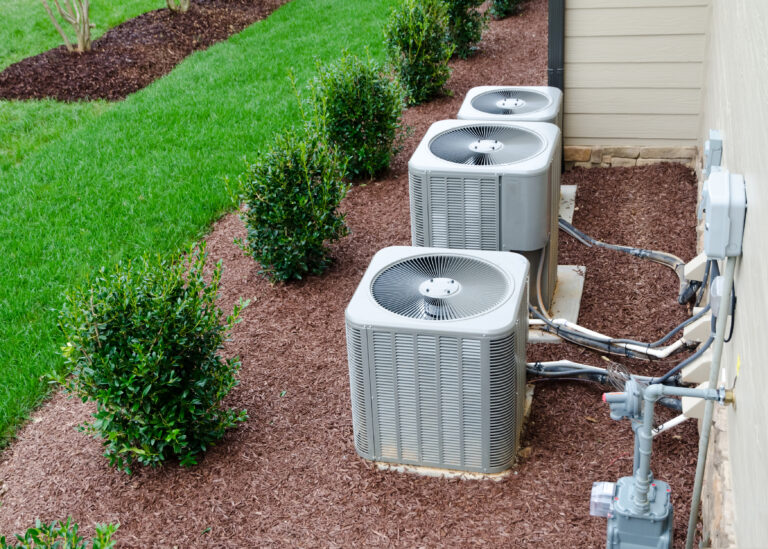
Professional installation begins with protecting your home during the work process, using drop cloths, floor runners, and careful material handling to prevent damage to your property. We start by removing your existing equipment if necessary, properly recovering any refrigerant according to EPA regulations and preparing the installation area for the new system. The outdoor condenser unit placement requires careful consideration of factors including:
- Adequate clearance for proper airflow around all sides of the unit
- Level positioning on a stable pad or platform to prevent vibration and ensure proper drainage
- Distance from windows and outdoor living spaces to minimize noise impact
- Accessibility for future maintenance and service requirements
- Protection from sprinkler systems and roof drainage that could cause corrosion
Indoor components, including the evaporator coil and air handler, must integrate seamlessly with your existing ductwork or require modifications to ensure proper airflow distribution. We inspect and seal duct connections to eliminate energy-wasting leaks, verify proper insulation levels, and confirm that supply and return air pathways are appropriately sized for your new system’s airflow requirements.
Energy Efficiency Considerations for Colorado Homes
Colorado’s unique climate, characterized by low humidity and significant daily temperature variations, creates specific opportunities for maximizing air conditioning efficiency. Systems with high SEER ratings deliver substantial energy savings over their operational lifetime, particularly important given rising electricity costs and environmental concerns. Current federal regulations require minimum SEER ratings of fourteen for new installations, but we often recommend systems rated sixteen SEER or higher for optimal long-term value.
The dry Colorado air means that air conditioning systems here work differently than in humid climates, focusing primarily on temperature reduction rather than moisture removal. This characteristic allows certain high-efficiency features, such as enhanced coil designs and advanced refrigerant management systems, to deliver even greater performance benefits in our region. Additionally, proper installation techniques that minimize refrigerant line lengths and optimize airflow patterns can further improve system efficiency beyond manufacturer specifications.
Quality Assurance and Long-Term Performance
At All Climate Systems Heating and Cooling, quality remains our number one priority as we strive to do the best job we can for our customers. After completing the physical installation, we perform comprehensive testing to verify proper operation across all system components. This includes checking refrigerant charge levels, measuring temperature differentials across the evaporator coil, confirming proper electrical connections, and verifying that all safety controls function correctly.
We also take time to educate you about your new system’s operation, maintenance requirements, and warranty coverage. Understanding how to properly operate your thermostat, when to change filters, and what signs might indicate needed service helps ensure your investment delivers reliable comfort for years to come. Our installation process concludes only when we’ve confirmed that your new air conditioning system meets our exacting standards and exceeds your comfort expectations, providing the dependable cooling performance that makes Colorado summers enjoyable rather than endurable.