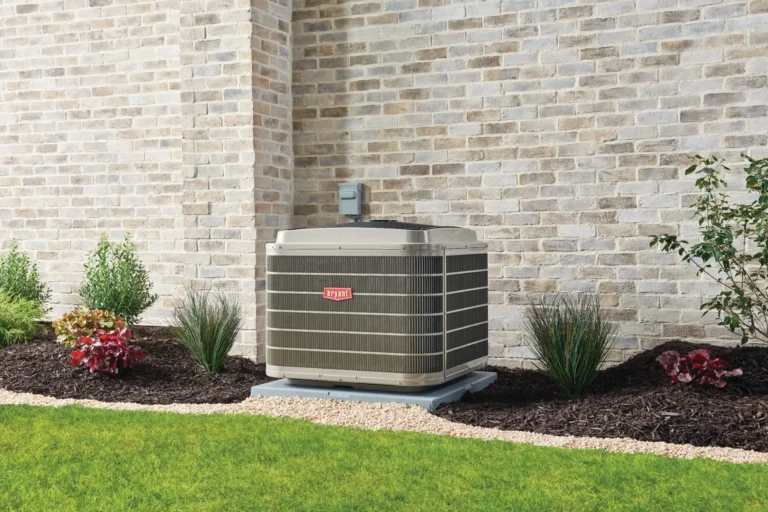

Essential Safety Features Every Colorado Home Should Have: From Carbon Monoxide Detection to HVAC Shutoffs
Living in Colorado presents unique challenges when it comes to home safety and climate control. The dramatic temperature swings, high altitude conditions, and extended heating seasons mean that your HVAC system works harder and longer than systems in many other states. At All Climate Systems, LLC, we understand these challenges intimately. As a family owned HVAC business located in Thornton, Colorado, we have been doing business in Colorado for 19+ years, and during that time we have seen firsthand how critical proper safety features are in protecting families throughout Brighton, CO, Broomfield, CO, Federal Heights, CO, Northglenn, CO, Thornton, CO, and Westminster, CO.
Carbon Monoxide Detection: Your First Line of Defense
Carbon monoxide is often called the silent killer, and for good reason. This colorless, odorless gas claims the lives of approximately 430 Americans annually, according to the Centers for Disease Control and Prevention. In Colorado, the risk is amplified by our reliance on gas furnaces during long, cold winters. When a furnace develops a cracked heat exchanger or experiences incomplete combustion, carbon monoxide can seep into your living spaces without any visible warning signs. Colorado law actually requires carbon monoxide detectors in every home, and we strongly encourage homeowners to go beyond the minimum requirements.
Proper placement of carbon monoxide detectors is just as important as having them installed. Detectors should be placed on every level of your home, near sleeping areas, and within fifteen feet of any fuel-burning appliance. During our heating service and heating repair visits, we routinely check combustion safety and can identify early warning signs of carbon monoxide production before it becomes a dangerous situation. A well-maintained furnace significantly reduces the risk of carbon monoxide leaks, which is why annual inspections are not just recommended but essential.
HVAC Safety Shutoff Systems and Their Critical Role
Modern HVAC systems are equipped with multiple safety shutoff mechanisms designed to protect your home and family. These systems automatically disable operation when dangerous conditions are detected. Understanding what these features do and ensuring they function properly can mean the difference between a minor inconvenience and a catastrophic event.
Key safety shutoff features found in quality HVAC installations include:
- Flame rollout switches that detect when flames extend outside the combustion chamber, indicating a serious venting problem or heat exchanger failure
- High-limit switches that shut down the furnace when internal temperatures exceed safe operating thresholds, preventing overheating and potential fire hazards
- Pressure switches that verify proper venting before allowing the gas valve to open, ensuring combustion gases are being safely exhausted from your home
- Gas valve shutoffs that immediately stop fuel supply when abnormal conditions are detected anywhere in the system
During HVAC installation, we ensure every safety component is properly calibrated and tested. Quality is our number one priority as we strive to do the best job we can for our customers, and that commitment extends to verifying that every safety mechanism functions correctly before we consider any job complete.
Preventive Maintenance: The Foundation of Home Safety
The most sophisticated safety features in the world are only effective if they are properly maintained. Components degrade over time, sensors lose calibration, and connections can loosen. A comprehensive preventive maintenance program addresses these concerns systematically and proactively.
During a professional maintenance visit, our technicians perform thorough safety inspections that include:
- Combustion analysis testing to verify your furnace is burning fuel efficiently and not producing dangerous levels of carbon monoxide
- Electrical connection inspection and tightening to prevent arcing, overheating, and potential fire hazards within the system
- Heat exchanger inspection using specialized cameras and techniques to detect cracks or corrosion before they become dangerous
Regular heating repair and AC repair services also present opportunities to identify and address safety concerns. A refrigerant leak in an air conditioning system, for example, can displace oxygen in enclosed spaces. Electrical faults in aging equipment can create fire risks. Each service call is an opportunity to evaluate the overall safety profile of your system.
Planning for the Future of Home Safety
The HVAC industry continues advancing safety technology at a rapid pace. Smart thermostats now integrate with carbon monoxide and smoke detection systems to provide real-time alerts directly to your phone. Variable speed systems reduce the strain on components, extending their lifespan and reducing the likelihood of failure. Communicating furnaces can self-diagnose problems and alert homeowners before conditions become hazardous.
Whether you need a new HVAC installation or want to upgrade the safety features on your existing system, All Climate Systems, LLC is here to help homeowners across the northern Denver metro area make informed decisions. With nearly two decades of experience serving Colorado families, we bring deep local knowledge and genuine care to every home we enter. Your family’s safety is not just a service we provide but a responsibility we take personally.