When Your Furnace Stops Working on a Cold Federal Heights Night
You wake up to a house that feels colder than it should. The thermostat reads 58 degrees, the vents blow lukewarm air, and the furnace makes a sound you have never heard before. This is the moment most Federal Heights homeowners realize how much they depend on a working heating system during a Colorado winter. A failing furnace is more than an inconvenience. It affects the safety and comfort of everyone under your roof, and in the worst cases it can lead to frozen pipes and secondary water damage.
At All Climate Systems Heating and Cooling, we respond to heating repair calls across Federal Heights and the surrounding areas every winter. We are a family owned HVAC business located in Thornton, Colorado, and we have served this region for more than 19 years. That length of experience matters when a furnace fails, because we have seen nearly every brand, model, and failure pattern that the Front Range climate produces. The guidance below walks you through the questions we hear most, explains how we approach a repair, and shows you what to expect when you call us.
What Usually Goes Wrong With a Furnace?
A furnace is a system of coordinated parts, and a failure in any one of them can stop the entire unit or reduce its output. The most common issue we find is a faulty ignition component. Older furnaces use a standing pilot light, while newer models rely on hot surface igniters or intermittent spark ignition. When these components wear out, the burners never light, and the furnace locks out after several failed attempts to protect itself.
Another frequent culprit is the flame sensor. This thin metal rod confirms that a flame is present after ignition. Over time it accumulates carbon buildup that prevents it from reading the flame correctly. The furnace then shuts down the gas valve as a safety measure, which produces the frustrating pattern of a furnace that starts, runs briefly, and then stops. Cleaning or replacing this sensor is a routine part of our heating repair work, and it restores reliable operation in many cases.
Beyond ignition issues, we regularly diagnose and repair the following problems in Federal Heights homes:
- Blower motor failure – a motor that no longer turns means heated air never reaches your rooms, even when the burners fire correctly
- Clogged condensate drains – high efficiency furnaces produce water that must drain away, and a blocked line triggers a safety shutoff
- Cracked heat exchangers – a serious condition that can release combustion gases and requires immediate attention
- Failed control boards – the electronic brain of the furnace that coordinates every cycle
- Thermostat malfunctions – sometimes the furnace is fine and the problem lies in the device that tells it when to run
How We Diagnose a Heating Problem
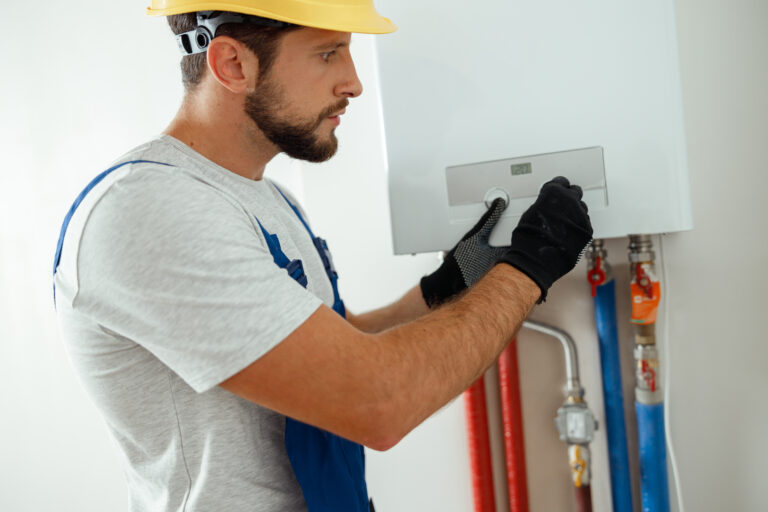
When our technician arrives, the first step is always a conversation. We ask what you noticed, when the problem started, and whether there were any warning signs beforehand such as unusual noises, odors, or short cycling. These details narrow the list of likely causes before we open the furnace cabinet. A furnace that never ignites points us toward the ignition system, while one that heats unevenly often signals an airflow or blower problem.
Next we move to direct measurement. We check the voltage reaching the control board, test the resistance of igniters and sensors, and measure gas pressure at the manifold with a manometer. We inspect the heat exchanger with a camera and combustion analyzer to confirm there are no dangerous cracks or carbon monoxide leaks. This methodical process matters because guessing at a repair wastes your money and may leave the real problem unresolved. Quality is our number one priority, and a correct diagnosis is the foundation of a quality repair.
We also evaluate the system as a whole rather than focusing only on the failed part. A blower motor that burned out, for example, may have failed because a clogged filter forced it to work harder for months. If we replace the motor without addressing the airflow restriction, the new motor faces the same strain. By looking at the full picture, we extend the life of the repair and help you avoid a repeat visit.
Technical Details That Guide Our Repairs
Furnaces are rated by their Annual Fuel Utilization Efficiency, or AFUE, which describes how much of the fuel they burn becomes usable heat. Older units in many Federal Heights homes operate between 70 and 80 percent AFUE, while modern condensing furnaces reach 90 to 98 percent. When we repair a system, we keep its efficiency rating in mind, because a high efficiency furnace uses a secondary heat exchanger and a sealed combustion design that differ significantly from older models. The repair methods and replacement parts must match the specific technology in your unit.
Gas pressure is another specification we take seriously. Most residential furnaces in this area are configured for natural gas at a manifold pressure near 3.5 inches of water column, though this varies by model and altitude. Federal Heights sits at roughly 5,400 feet above sea level, and elevation affects combustion. A furnace tuned at sea level will run rich at our altitude, wasting fuel and producing excess carbon monoxide. Our technicians understand these local conditions and adjust combustion accordingly, which is one advantage of working with a company rooted in the Front Range for nearly two decades.
We stock and install components that meet or exceed the original manufacturer specifications. Using a generic part that does not match the electrical draw or physical dimensions of the original can cause premature failure or unsafe operation. When we quote a repair, we identify the exact part your system needs so the fix lasts.
Preventing the Next Breakdown
The most reliable way to avoid a heating repair is consistent maintenance. A furnace that receives annual service rarely fails without warning, because a technician catches worn igniters, dirty sensors, and weakening motors before they stop working entirely. During a maintenance visit we clean the burners, test the safety controls, verify gas pressure, inspect the heat exchanger, and replace or clean the filter. These steps restore the furnace to peak condition and reduce the chance of a mid winter failure.
Between professional visits, you can protect your system by changing the air filter on a regular schedule, keeping supply and return vents clear of furniture and rugs, and paying attention to changes in how the furnace sounds or smells. A new rattle, a burning odor, or longer run times all signal that something deserves a closer look. Reporting these early lets us address a small issue before it grows into a full breakdown.
Serving Federal Heights and Nearby Communities
All Climate Systems Heating and Cooling provides heating repair, air conditioning service, HVAC installation, and electrical work throughout Federal Heights and the greater Front Range. Our service area includes Thornton, Brighton, Westminster, Broomfield, Northglenn, Federal Heights, Commerce City, Erie, Boulder, Louisville, Lafayette, Firestone, Wheatridge, Edgewater, Lakewood, and Englewood, CO, so your neighbors likely rely on us too. As a family owned business, we treat every home the way we would treat our own, and we stand behind the work we do.
When your heat goes out, you want a technician who diagnoses the real problem, explains your options in plain language, and completes the repair correctly the first time. That is the standard we have held for more than 19 years, and it is the standard we bring to every Federal Heights home we visit. Reach out to All Climate Systems Heating and Cooling when your furnace needs attention, and we will restore the comfort and safety your family depends on.