How to Create a Home HVAC Maintenance Calendar That Actually Works for Colorado’s Year-Round Climate Challenges
Colorado’s climate is nothing short of unpredictable. From blazing summer afternoons that push air conditioning systems to their limits to frigid winter nights that demand reliable heating, homeowners across the Front Range face unique challenges that most standard HVAC maintenance guides simply do not address. At All Climate Systems, LLC, we are a family owned HVAC business located in Thornton, Colorado, and we have been doing business in Colorado for 19+ years. That experience has taught us that a generic seasonal checklist will not cut it here. You need a maintenance calendar built specifically for the dramatic temperature swings, low humidity, and altitude-related demands that define our region.
Understanding Why Colorado Demands a Different Approach
Most HVAC maintenance guides are written for climates with two distinct seasons: summer cooling and winter heating. Colorado homeowners in Brighton, Broomfield, Federal Heights, Northglenn, Thornton, and Westminster know reality is far more complex. It is not unusual to run your furnace in the morning and your air conditioner by afternoon, especially during spring and fall. This constant switching between heating and cooling modes places extraordinary stress on equipment, accelerating wear on components like reversing valves, thermostats, and blower motors.
Colorado’s high altitude also plays a significant role. At elevations above 5,000 feet, combustion dynamics change for gas furnaces, and the thin, dry air means air filters clog differently than they do at sea level. According to the Department of Energy, proper HVAC maintenance can reduce energy consumption by 15 to 25 percent. In a state where heating and cooling account for a substantial portion of household energy costs, those savings add up quickly when you follow a disciplined maintenance calendar.
Building Your Month-by-Month HVAC Maintenance Calendar
The key to a maintenance calendar that actually works is specificity. Rather than vague seasonal reminders, you need actionable tasks tied to what Colorado’s climate is doing each month. Here is how we recommend structuring your year based on nearly two decades of heating service, air conditioning service, and heating repair work along the Front Range.
- January through February: Inspect your furnace filter monthly during peak heating season and replace it if it appears gray or clogged. Check for unusual furnace noises, which can indicate a failing blower motor or igniter. Verify that your thermostat is reading accurately, as Colorado’s dry winter air can affect sensor performance.
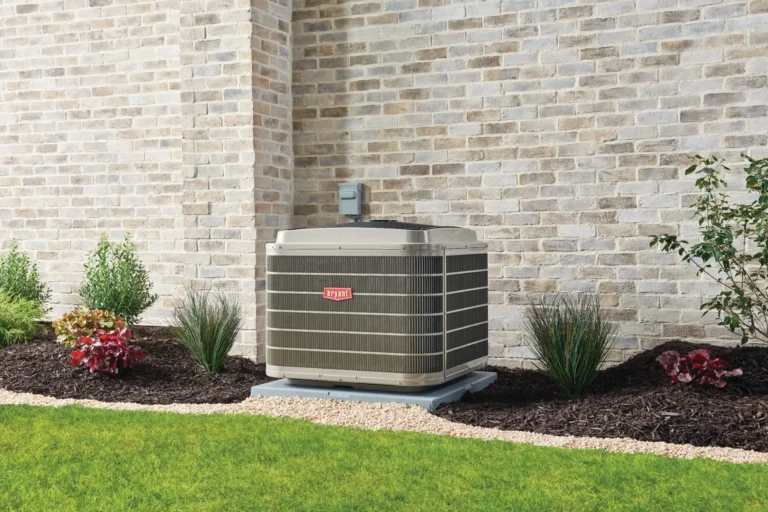
- March through April: Schedule a professional heating system inspection before the season ends. Clean around outdoor condenser units that may have accumulated debris from winter storms. Test your air conditioning system on a warm day to ensure it is operational before summer demand arrives.
- May through June: Replace your air filter again and schedule a professional air conditioning service appointment. Have refrigerant levels checked, inspect ductwork for leaks, and clean evaporator coils. This is the ideal time for HVAC installation if you are considering upgrading your system before summer heat peaks.
- July through August: Monitor your air conditioning performance closely. Clean or replace filters every 30 days during heavy use. Check condensate drain lines for clogs, which are common when systems run continuously.
- September through October: Schedule your fall heating service appointment. Have a technician inspect your furnace heat exchanger for cracks, test carbon monoxide detectors, and verify that your system transitions smoothly between cooling and heating modes.
- November through December: Replace filters before heavy heating season begins. Test your thermostat programming to ensure efficient overnight heating. Inspect weatherstripping around doors and windows to reduce heating system strain.
Tasks You Can Handle Versus When to Call a Professional
Quality is our number one priority as we strive to do the best job we can for our customers, and part of delivering quality means being honest about what homeowners can safely manage themselves. Filter replacement, thermostat adjustments, keeping outdoor units clear of debris, and monitoring system performance are all tasks most homeowners can handle confidently.
However, certain tasks require professional expertise and specialized equipment. These include:
- Refrigerant level testing and recharging, which requires EPA certification and specialized gauges
- Heat exchanger inspections, where cracks can lead to dangerous carbon monoxide leaks
- Electrical component testing, including capacitor and contactor evaluation that demands proper safety training
Making Your Calendar Stick
The best maintenance calendar is one you actually follow. We recommend setting digital reminders on your phone at the beginning of each month. Keep a physical log near your thermostat documenting filter changes and service dates. This record becomes invaluable for tracking system performance over time and provides useful history for technicians during service calls. Homeowners throughout Westminster, Northglenn, and surrounding communities who commit to this structured approach consistently experience fewer breakdowns, lower utility bills, and longer equipment lifespans. A well-maintained HVAC system is not an expense but an investment that pays dividends every month of Colorado’s demanding climate year.