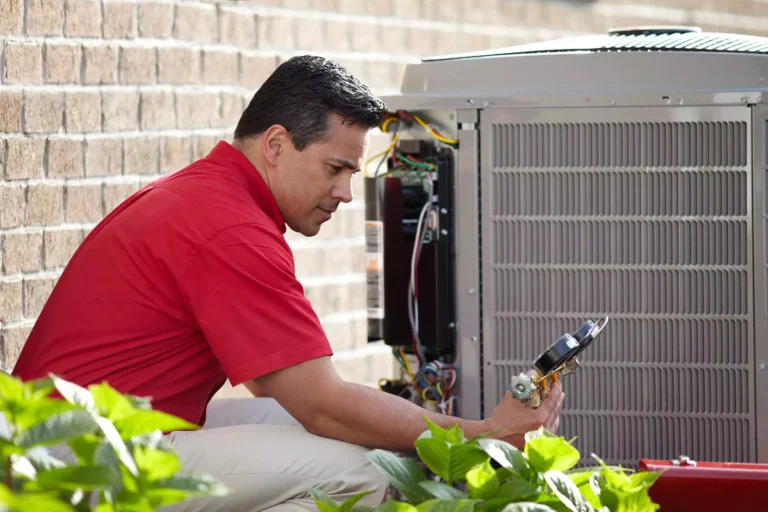

Understanding Heat Pump Technology in Westminster’s Variable Climate
Heat pumps represent one of the most efficient heating and cooling solutions available for Westminster homes today. Unlike traditional furnaces that generate heat through combustion, heat pumps transfer thermal energy between indoor and outdoor environments using refrigeration principles. This fundamental difference makes them particularly well-suited for Colorado’s Front Range climate, where temperature variations throughout the year demand versatile climate control systems. At All Climate Systems Heating and Cooling, we’ve installed and serviced hundreds of heat pump systems across Westminster, drawing on our 19+ years of experience serving Colorado families.
The technology operates through a reversible refrigeration cycle that can both heat and cool your home. During winter months, the system extracts heat from outdoor air—even when temperatures drop below freezing—and transfers it indoors through a series of coils and refrigerant compression. In summer, the process reverses, removing heat from your home and expelling it outdoors. This dual functionality eliminates the need for separate heating and cooling equipment, reducing both installation complexity and long-term maintenance requirements.
Benefits of Heat Pump Installation for Westminster Homeowners
Energy efficiency stands as the primary advantage of modern heat pump systems, with many units achieving efficiency ratings exceeding 300% when measured as Coefficient of Performance (COP). This means for every unit of electrical energy consumed, the system delivers three or more units of heating or cooling energy to your home. Compare this to even the most efficient gas furnaces, which max out at approximately 98% efficiency, and the economic advantages become clear. Westminster residents typically see utility bill reductions between 30% and 50% after transitioning from traditional HVAC systems to properly sized heat pumps.
Environmental considerations also favor heat pump adoption. By eliminating direct combustion of fossil fuels for heating, these systems significantly reduce carbon emissions associated with home climate control. The electricity required to operate heat pumps increasingly comes from renewable sources as Colorado’s power grid continues its transition toward sustainable energy generation. Additionally, modern refrigerants used in heat pump systems have substantially lower global warming potential than older alternatives, further minimizing environmental impact.
Types of Heat Pump Systems We Install
Air-source heat pumps remain the most common installation choice for Westminster properties, offering excellent performance in our climate zone. These systems include both ducted and ductless configurations, allowing customization based on your home’s existing infrastructure. Ducted systems integrate seamlessly with existing ductwork, while ductless mini-split systems provide targeted comfort control for specific zones or additions where extending ductwork proves impractical. Quality is our number one priority as we strive to do the best job we can for our customers, which means recommending the optimal system configuration for each unique home layout and family’s needs.
Ground-source or geothermal heat pumps represent another option, particularly for properties with adequate land area for ground loop installation. These systems leverage the earth’s relatively constant subsurface temperature to achieve even higher efficiency ratings than air-source units. While initial installation costs exceed those of air-source systems, the superior efficiency and longevity of geothermal heat pumps often justify the investment through long-term operational savings. Dual-fuel or hybrid systems combine heat pump technology with backup gas furnaces, ensuring reliable heating performance even during Westminster’s coldest winter periods when air-source heat pump efficiency temporarily decreases.
Installation Process and Technical Specifications
Professional heat pump installation begins with comprehensive load calculations to determine appropriate system sizing. Undersized units struggle to maintain comfort during peak demand periods, while oversized systems cycle frequently, reducing efficiency and component lifespan. We utilize Manual J calculation methodology, accounting for factors including home square footage, insulation levels, window specifications, and occupancy patterns to specify correctly sized equipment. The installation process typically requires one to three days, depending on system complexity and whether ductwork modifications are necessary.
- Site evaluation and load calculations: Detailed assessment of your home’s heating and cooling requirements
- Equipment selection: Matching system capacity and features to your specific needs and budget
- Refrigerant line installation: Proper sizing and insulation of copper linesets connecting indoor and outdoor units
- Electrical upgrades: Installing appropriate circuit breakers and disconnect switches per local codes
- System commissioning: Verifying proper refrigerant charge, airflow, and control operation
Maintenance Requirements and Long-term Performance
Regular maintenance ensures heat pump systems deliver optimal performance throughout their operational lifespan, typically ranging from 15 to 20 years with proper care. Annual professional inspections should include refrigerant level verification, electrical connection testing, and thorough cleaning of both indoor and outdoor coils. Homeowners can perform basic maintenance tasks between professional visits, including monthly filter replacement during peak usage periods and keeping outdoor units clear of debris and vegetation. As a family owned HVAC business located in Thornton, Colorado, we understand the importance of protecting your investment through proper maintenance protocols.
Westminster’s seasonal weather patterns create specific maintenance considerations for heat pump systems. Spring pollen and cottonwood seeds can clog outdoor unit fins, reducing airflow and efficiency. Winter snow accumulation requires careful removal to prevent ice formation that could damage fan blades or restrict airflow. Our maintenance programs address these regional challenges through seasonal service visits timed to prepare your system for upcoming weather conditions.
Cost Considerations and Return on Investment
Initial heat pump installation costs vary based on system type, capacity, and installation complexity. However, focusing solely on upfront costs overlooks significant long-term savings potential. Federal tax credits currently cover up to 30% of qualified heat pump installation costs, while utility companies throughout the Westminster area offer additional rebates for high-efficiency system installations. These incentives, combined with reduced monthly operating costs, often result in full investment recovery within five to seven years.
Operating cost comparisons reveal substantial advantages over traditional heating systems. Natural gas prices fluctuate seasonally and trend upward over time, while electricity rates remain relatively stable. Heat pumps also eliminate the need for separate air conditioning systems, consolidating equipment costs and reducing overall system complexity. When evaluating total cost of ownership over a typical 15-year system lifespan, heat pumps consistently demonstrate superior economic value for Westminster homeowners seeking reliable, efficient climate control solutions that adapt to Colorado’s diverse weather conditions while maintaining consistent indoor comfort throughout the year.